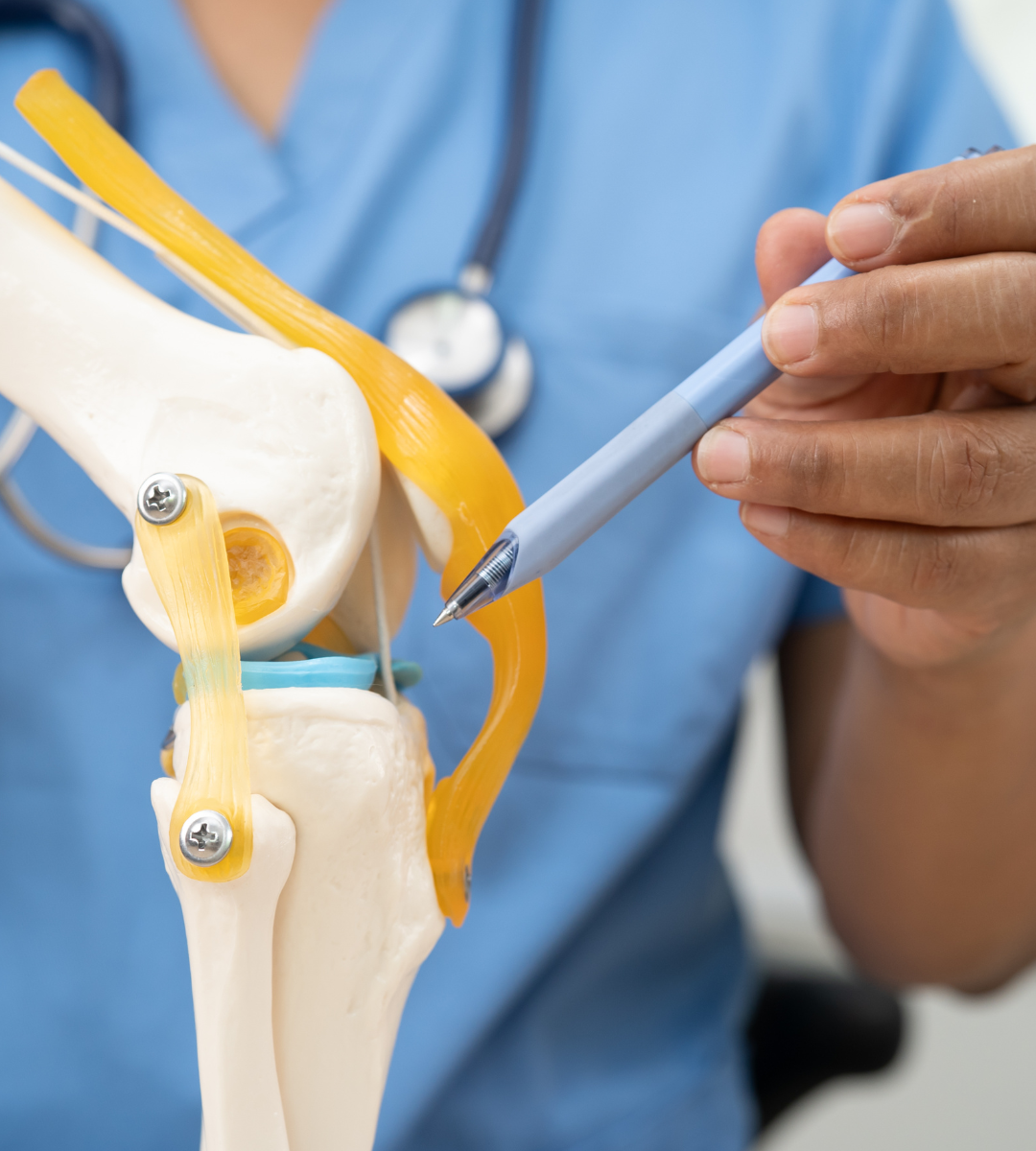
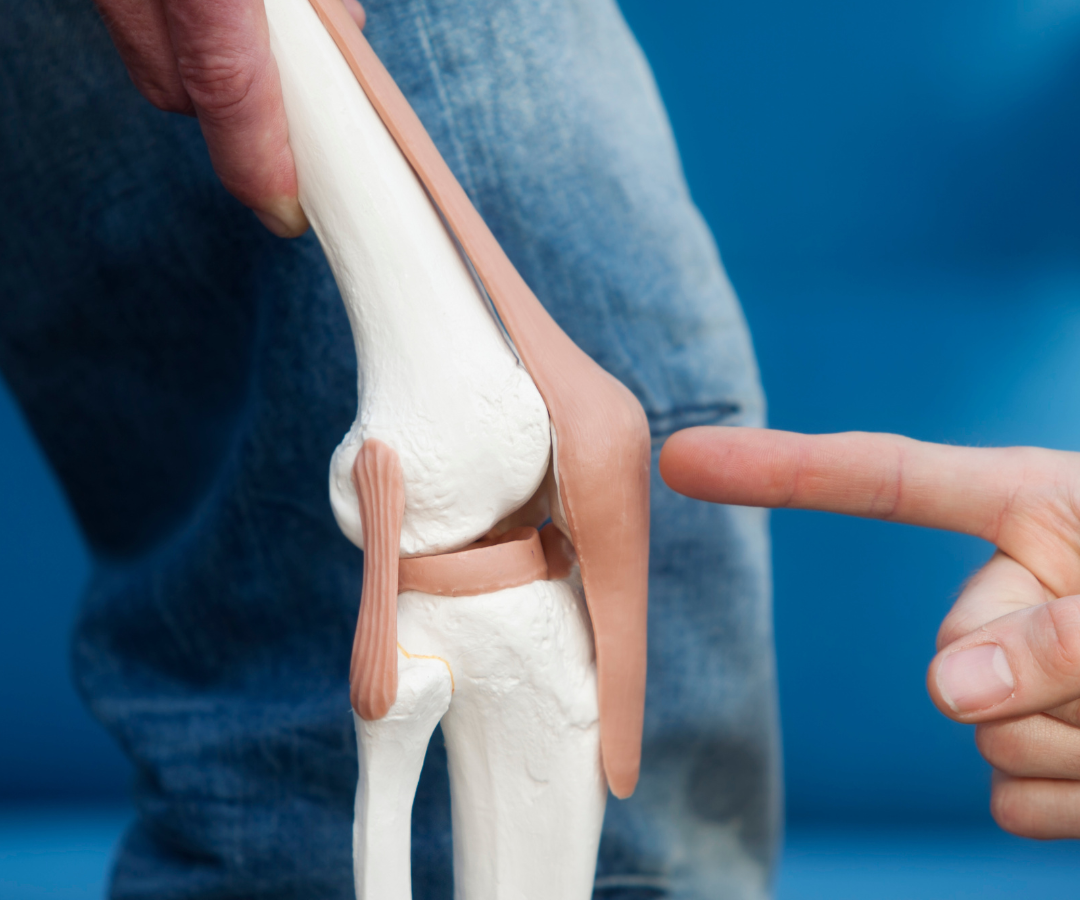
Knee replacement surgery is recommended for arthritis or injury on the knee that prevents it from moving freely. The knee comprises three compartments: the medial compartment (inside portion), the lateral compartment (outside) and the patellofemoral compartment (front).
02Total vs. partial knee replacement
In a total knee replacement all three compartments of the knee are replaced. In a partial knee replacement only the affected portion is replaced, keeping the healthy portions intact — osteoarthritis patients often have only one compartment affected.
03Recovery after knee surgery
After surgery the patient stays 3 to 5 days in the hospital. Pain is relieved quickly, but full improvement is noticed after about one month. Since the recovering knee cannot yet support complete body weight, a walker or crutches are used in the initial weeks.
04Simple steps for speedy recovery
Precautions that protect the new joint while it heals:
Avoid kneeling and squatting after the surgery.
Climbing stairs should be minimised initially.
While lying in bed, keep the knee as straight as possible.
Prefer straight-back chairs; avoid recliners.
Remove rugs and loose materials from the floor to avoid falls.
05Risks — and why they're rare
After a total knee replacement, high-impact sports and jogging are no longer advised. Side effects like blood clotting, infection or scarring are possible but rare — and every precaution is taken to prevent them. Our knee replacement practice provides surgery at reasonable cost.
Plan this visit
Plan your knee visit
Three choices make the consultation sharper.
What is your knee doing?
Choose the closest match.
Ask the surgeon
Questions about knee replacement?
Costs, recovery time, whether surgery is even needed in your case — send your question and get a call back within one working day.