
A professional orthopaedic surgeon does much more than perform Total Hip Replacement surgery. The surgeon confirms whether THR is truly needed, prepares the patient medically and mentally, chooses the right surgical plan, positions the implant accurately, prevents avoidable complications and guides recovery until walking, confidence and daily function return.
Why the surgeon's role matters in THR
Total Hip Replacement, or THR, is usually considered when hip arthritis, fracture damage, avascular necrosis or severe joint wear causes pain that no longer improves with medicines, physiotherapy or lifestyle changes.
The result depends on more than the implant. The surgeon's judgement affects diagnosis, timing, surgical approach, implant selection, leg length balance, stability, pain control, rehabilitation and long-term function.
Before surgery: correct diagnosis and timing
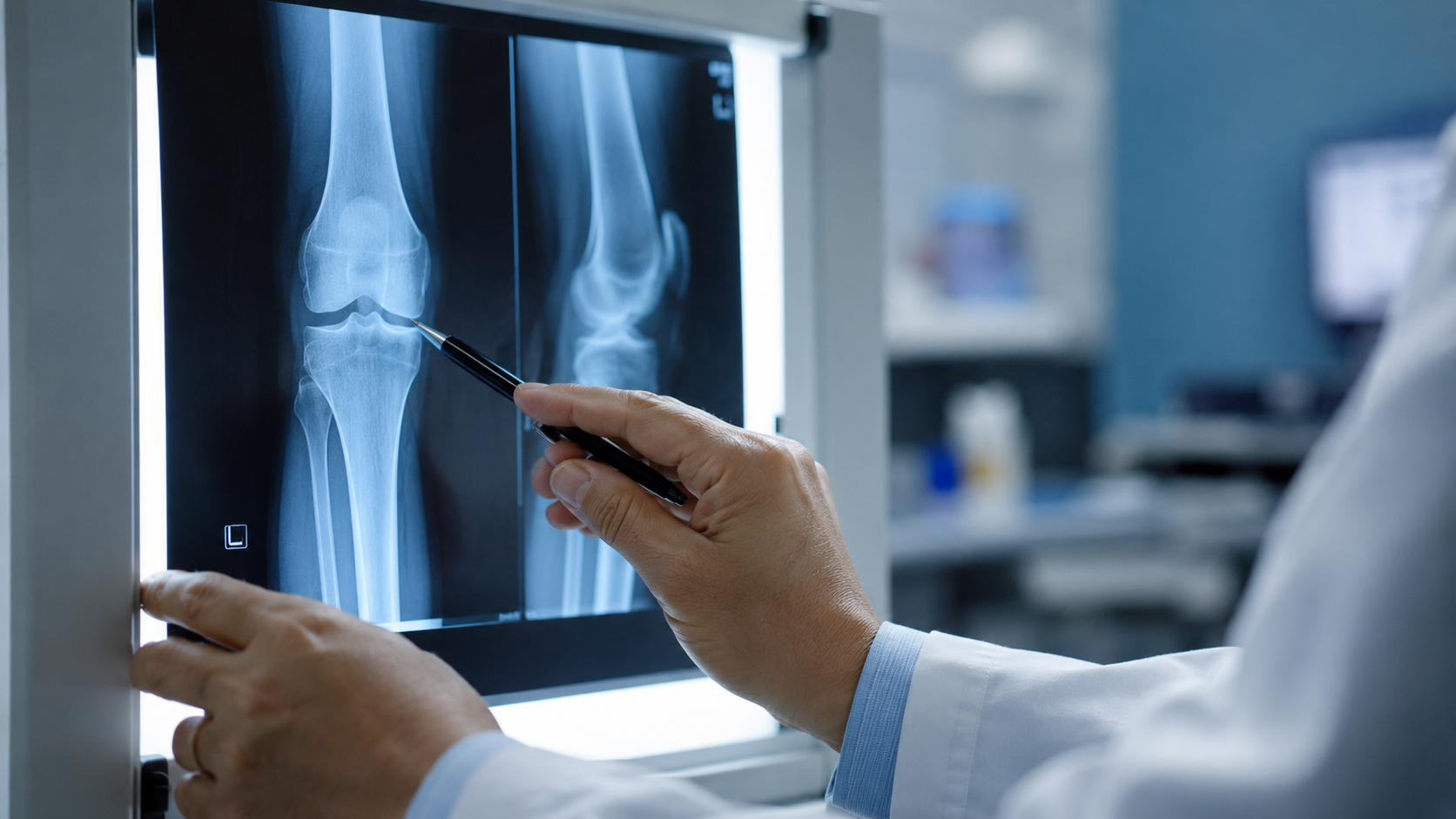
A good hip replacement surgeon first confirms the reason for pain. Not every hip pain needs replacement. Pain may come from arthritis, spine disease, muscle problems, inflammatory disease or referred pain.
The surgeon reviews symptoms, walking ability, X-rays, medical history and previous treatments. THR is usually advised when pain limits daily life, sleep, walking, stairs, sitting, dressing or independence despite non-surgical care.
- Confirming the source of hip pain
- Checking X-rays and joint damage severity
- Reviewing medicines, diabetes, heart health and other conditions
- Explaining whether conservative care is still useful
- Deciding the safest time for surgery
Pre-operative care: preparing body and mind
Preparation before THR directly affects recovery. The surgeon helps the patient understand what will happen, what risks need attention and what milestones to expect after surgery.
Prehabilitation may include strengthening exercises, walking practice, weight management, pain control and home preparation. Patients who understand the recovery plan usually feel less anxious and participate better after surgery.
- Detailed evaluation and accurate diagnosis
- Patient education about surgery and recovery
- Prehabilitation exercises to strengthen hip and core muscles
- Pain and inflammation management before surgery
- Medical fitness checks when required
- Clear explanation of recovery timeline and precautions
- Psychological reassurance to reduce fear of walking after surgery
During surgery: precision and decision-making
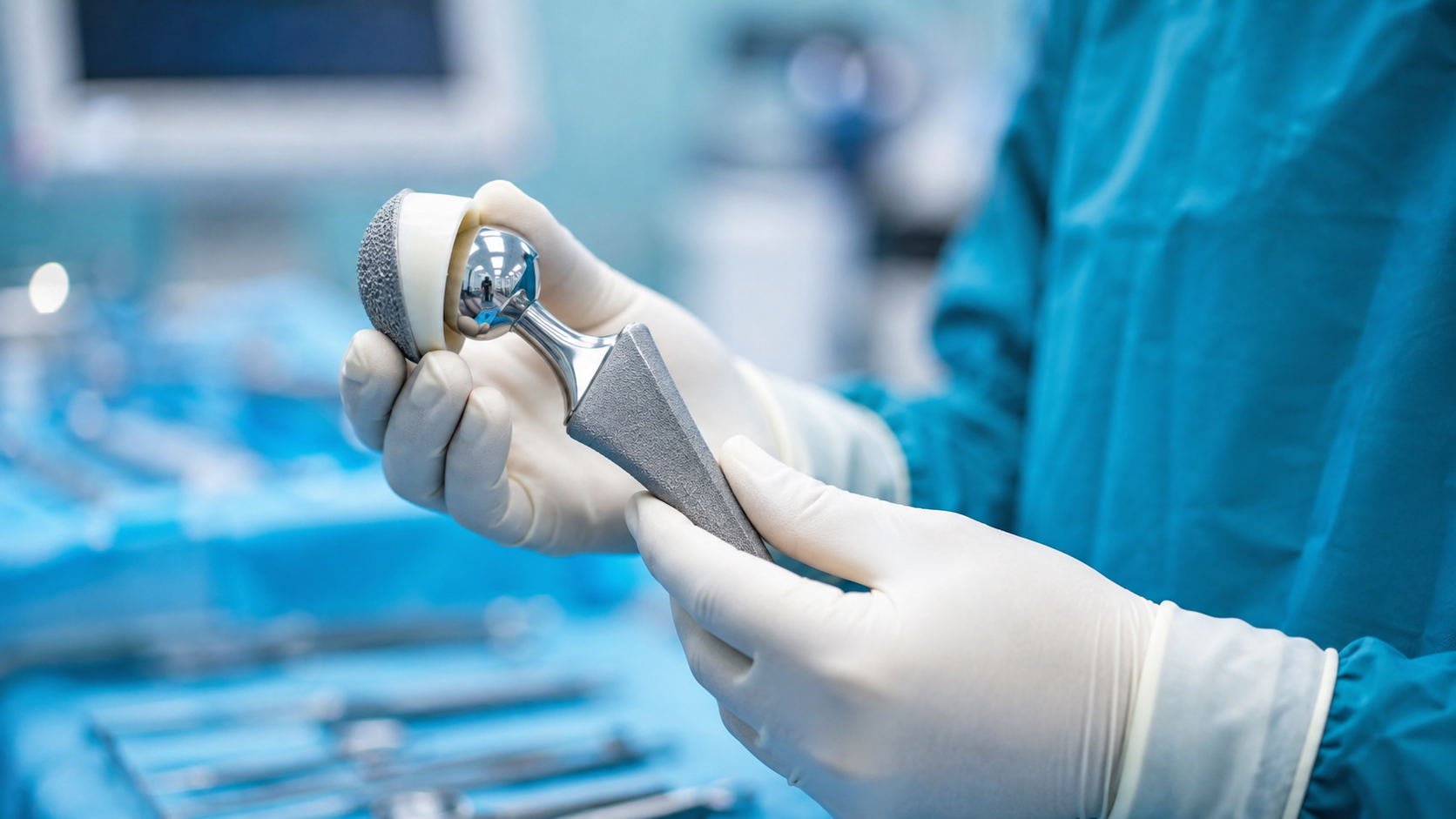
During total hip replacement, the damaged parts of the hip joint are replaced with artificial components. The surgeon's technical skill is important for accurate implant placement, joint stability, limb length balance and smooth hip movement.
A professional orthopaedic surgeon also anticipates patient-specific challenges such as weak bone, deformity, previous surgery, stiffness, obesity, osteoporosis or complex arthritis.
- Choosing the appropriate implant type and size
- Using a suitable surgical approach
- Maintaining hip stability
- Balancing leg length as accurately as possible
- Reducing tissue trauma where feasible
- Managing bleeding, bone quality and soft-tissue tension
After surgery: structured recovery plan
Recovery after THR is guided and closely monitored. The surgeon coordinates pain control, wound care, blood clot prevention, walking support and physiotherapy progression.
Patients are usually encouraged to start safe movement early. The exact pace depends on surgical approach, bone quality, implant fixation, general health and confidence with walking.
- Regular follow-ups and healing checks
- Pain control with safe medication planning
- Progression from walker to stick to independent walking
- Personalised physiotherapy instructions
- Guidance on safe sitting, bending and sleeping positions
- Monitoring for swelling, wound problems or blood clot warning signs
- Strengthening of hip, thigh and core muscles
Recovery is psychological too
Many patients fear walking after hip replacement, even when the surgery has gone well. A surgeon's communication matters here. Clear instructions reduce confusion and build trust.
When patients understand which movements are safe, how much pain is expected and when to increase activity, they recover with more confidence. Emotional support and realistic milestones make rehabilitation easier to follow.
The benefit of right treatment at the right time
Delaying hip replacement for too long can allow worsening pain, stiffness, limp, muscle weakness and reduced quality of life. At the same time, surgery should not be rushed if symptoms can still be managed safely without replacement.
The surgeon's role is to find that balance: not too early, not too late. Timely THR can offer pain relief, better mobility, improved walking confidence and a safer return to daily activities.
- Better pain relief when hip arthritis is advanced
- Improved joint movement and walking ability
- Stronger hip muscles with guided rehabilitation
- Reduced dependence on painkillers
- Lower risk of avoidable decline from inactivity
- Improved long-term function when recovery is followed properly
How to choose a hip replacement surgeon
Patients often search for the best hip replacement surgeon, but the practical question is whether the surgeon has the right experience, communication style and follow-up system for your case.
Choose a surgeon who explains your diagnosis clearly, discusses non-surgical options, talks about risks honestly, gives a realistic recovery plan and stays involved after surgery.
- Experience with primary, complex and revision hip replacement
- Clear explanation of implant choice and surgical approach
- Structured follow-up and rehabilitation guidance
- Transparent discussion of risks and precautions
- Comfort answering patient and family questions
- Focus on safe recovery, not only the operation
Frequently asked questions
The surgeon diagnoses the cause of hip pain, decides whether THR is needed, plans the surgery, selects the implant, performs the replacement, prevents complications and guides rehabilitation after surgery.
Total hip replacement is usually recommended when hip arthritis or joint damage causes severe pain, stiffness, limp or loss of daily function despite medicines, physiotherapy and other non-surgical care.
Preparation includes medical evaluation, imaging review, medication planning, pain control, prehabilitation exercises, patient education, home preparation and setting realistic recovery expectations.
Accurate implant positioning helps improve hip stability, movement, leg length balance and long-term function. Poor positioning may increase the risk of dislocation, pain or early implant problems.
Many patients resume light daily activities within a few weeks, but recovery varies by age, health, surgical approach and rehabilitation. Strength, confidence and walking usually improve gradually over several months.
Important risks include infection, blood clots, dislocation, fracture, nerve injury, wound problems and implant loosening over time. A structured surgical and recovery plan helps reduce these risks.
Yes. Physiotherapy helps restore hip movement, walking confidence, muscle strength and safe daily activity. Surgery replaces the damaged joint, but rehabilitation trains the body to use it well.
Look for experience in hip replacement, clear communication, honest risk discussion, proper follow-up, rehabilitation guidance and the ability to handle both routine and complex hip cases.
Originally published on dranilraheja.com.