
Knee
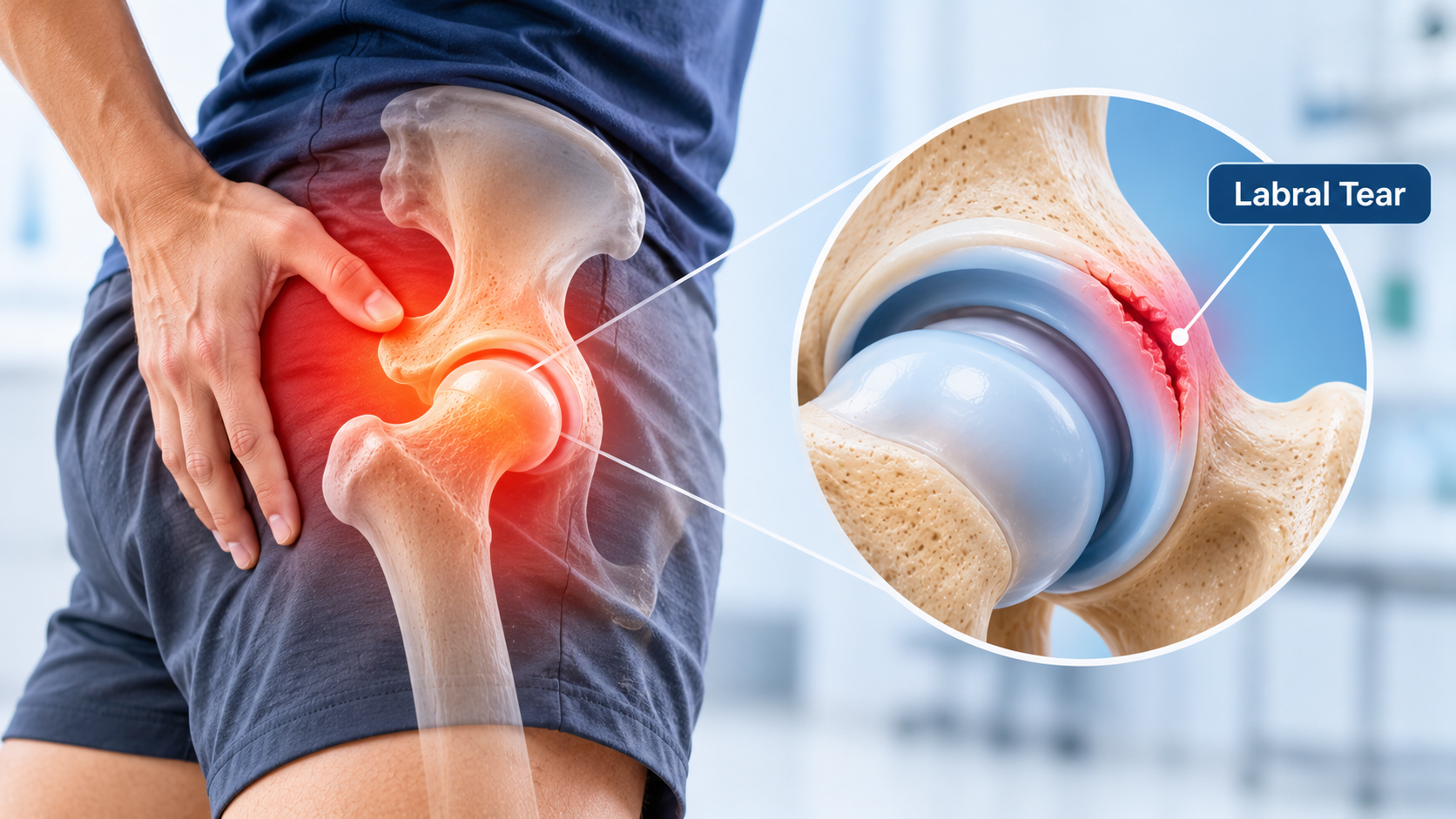
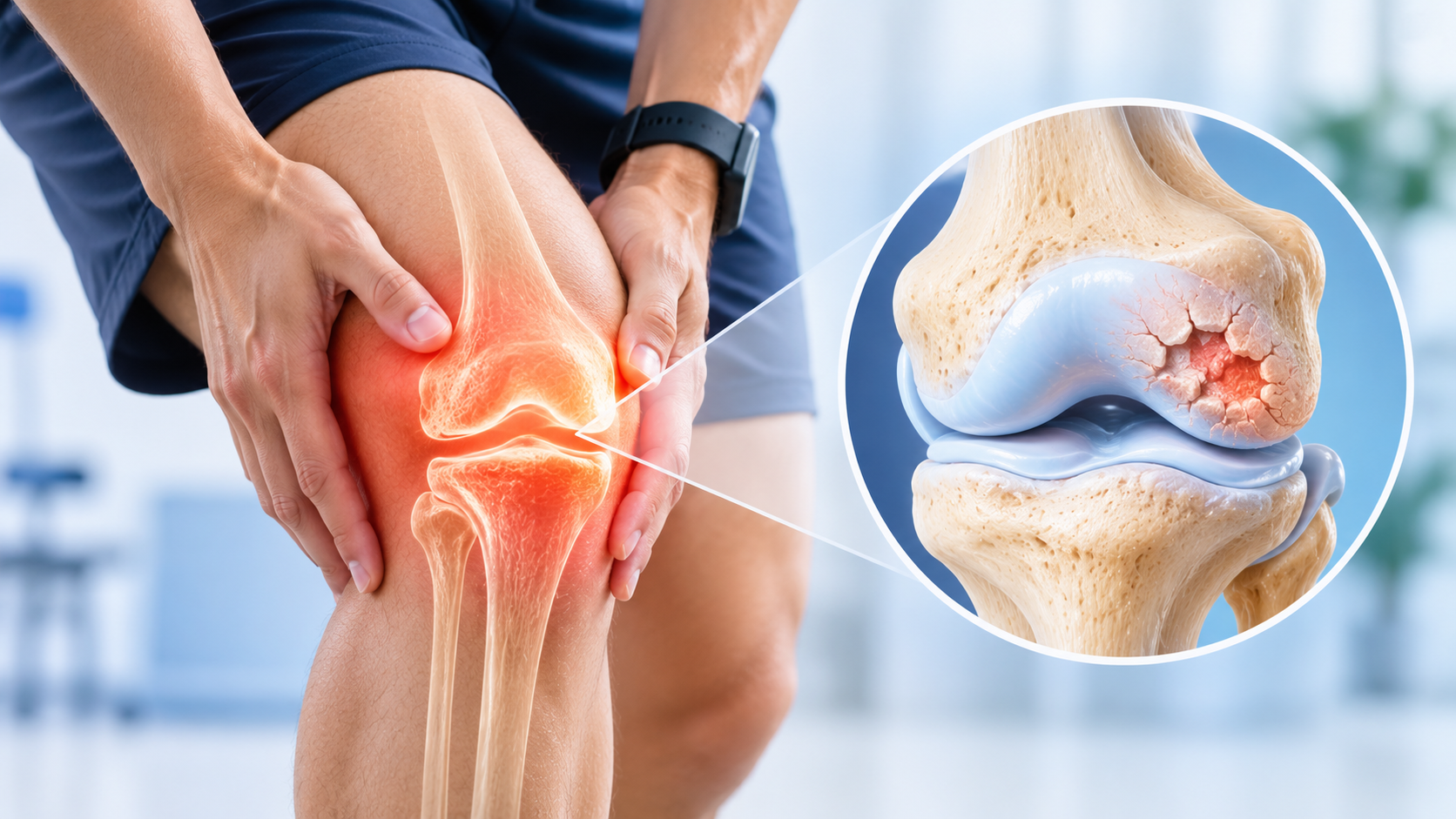
Knee Cartilage Damage: Symptoms, Causes, Diagnosis and Treatment
Knee cartilage damage can affect joint movement and cause pain during everyday activities. Understand its symptoms, diagnosis and available treatment options.
Read MorePlain-language articles on bones, joints and getting back to movement.
Knee cartilage damage can affect joint movement and cause pain during everyday activities. Understand its symptoms, diagnosis and available treatment options.
Read More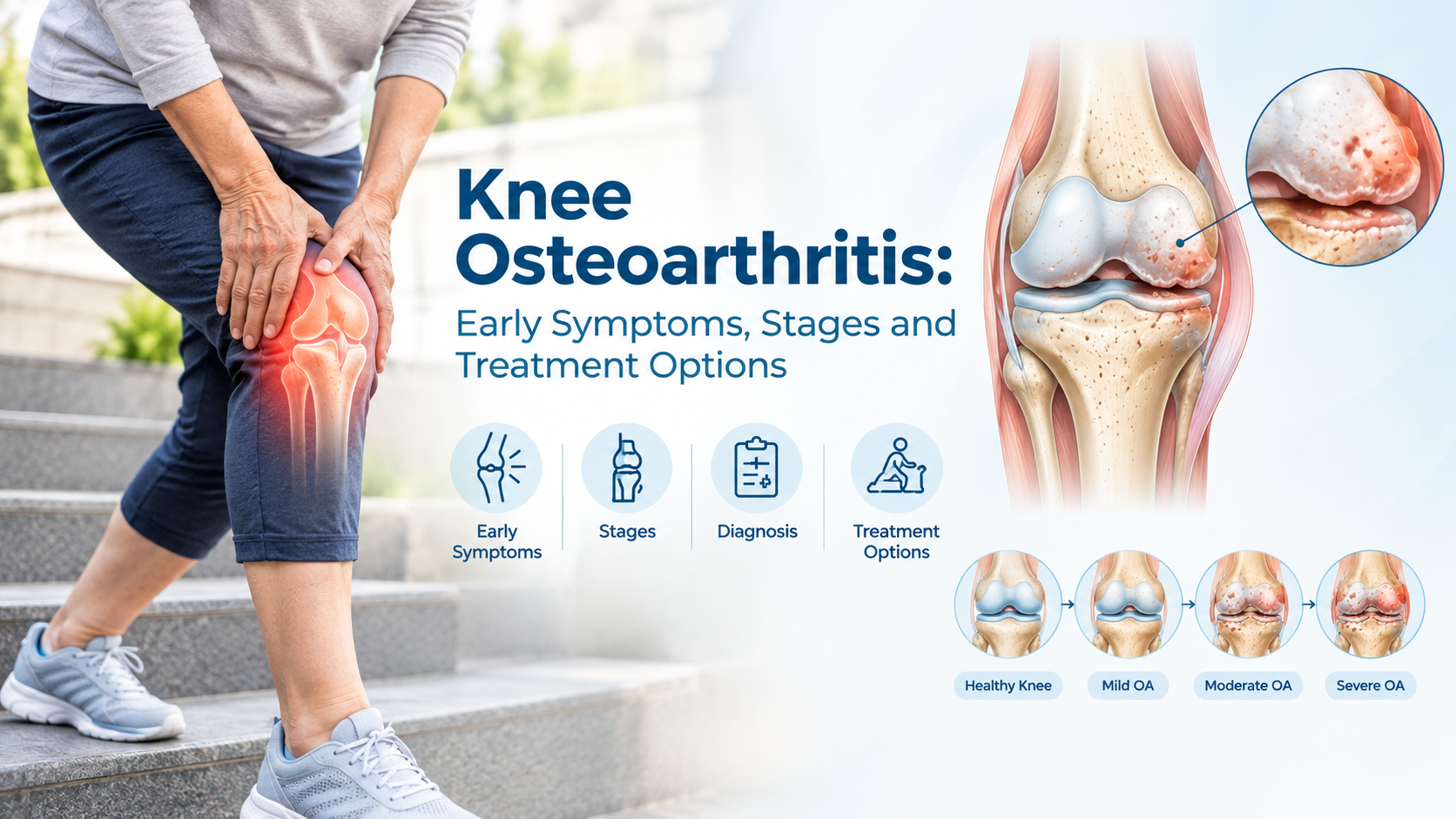
Knee osteoarthritis can gradually affect walking, stair climbing and everyday movement. Learn how early symptoms develop, how doctors assess its severity and which treatments may help preserve mobility.
Read More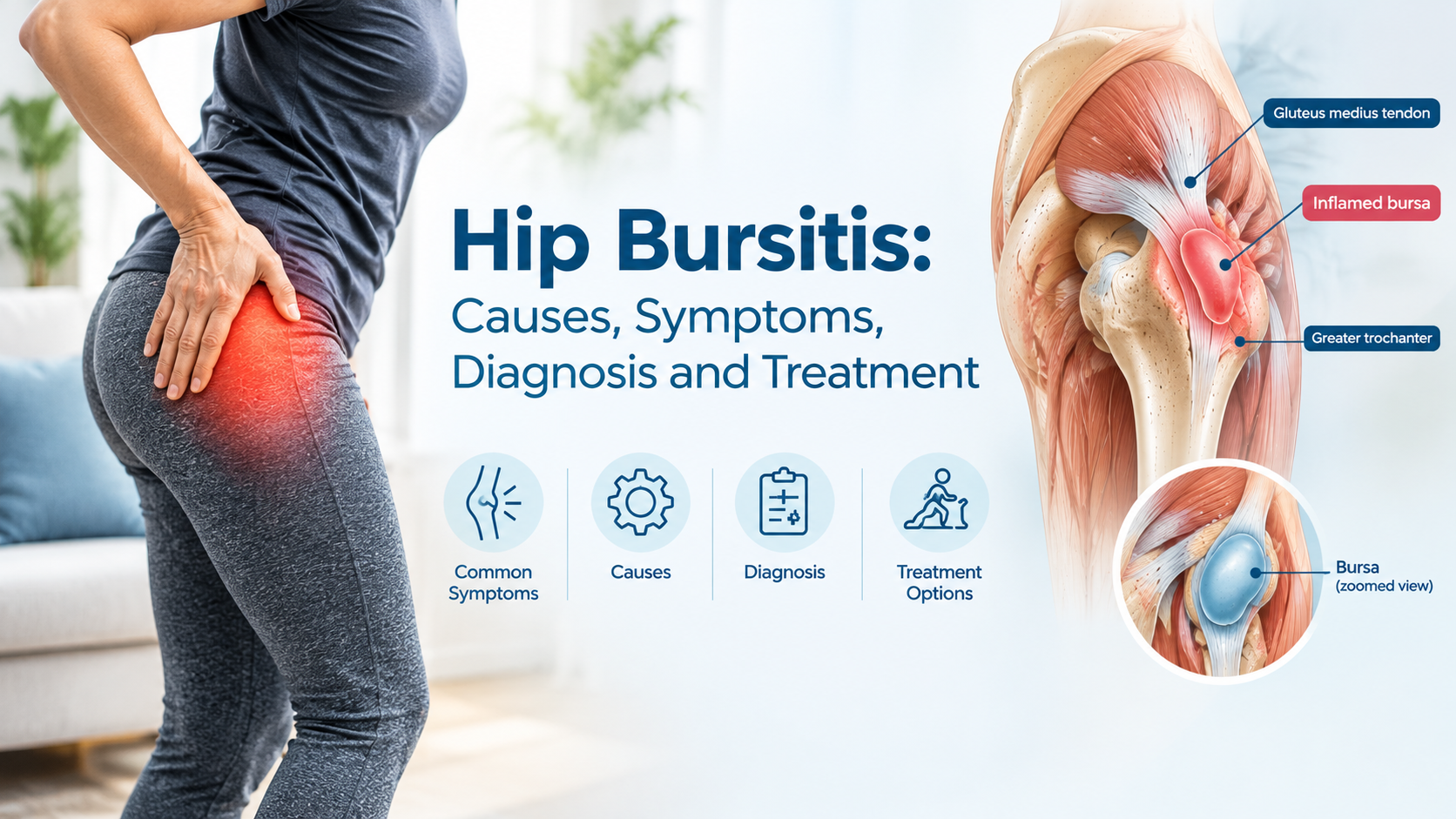
Pain on the outer side of your hip that worsens when lying on that side or climbing stairs may be related to greater trochanteric pain syndrome. Understand the possible causes, diagnosis and treatment options.
Read More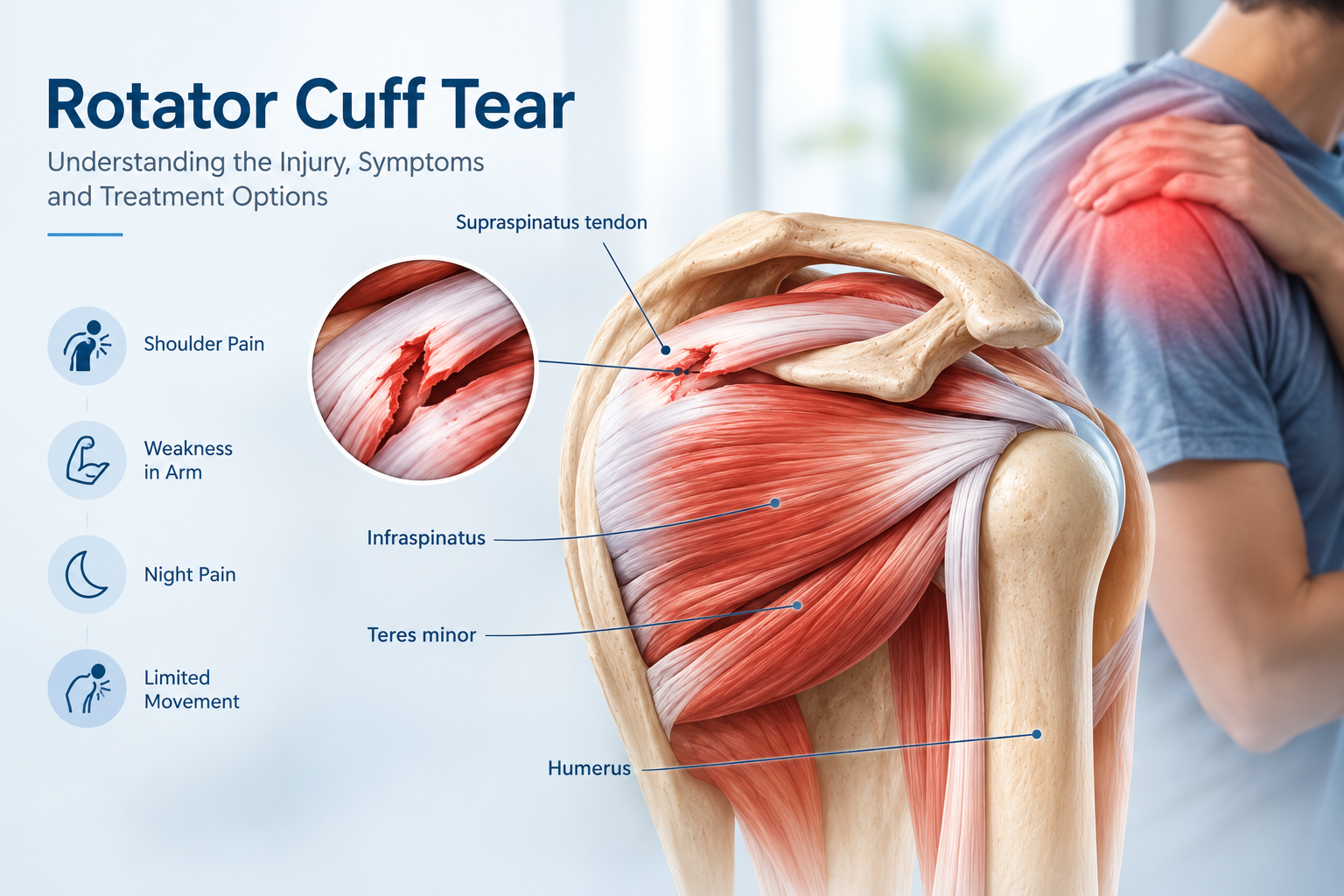
Shoulder pain when lifting your arm or sleeping on one side may be associated with a rotator cuff problem. Learn how rotator cuff tears are diagnosed and when non-surgical treatment or surgery may be appropriate.
Read More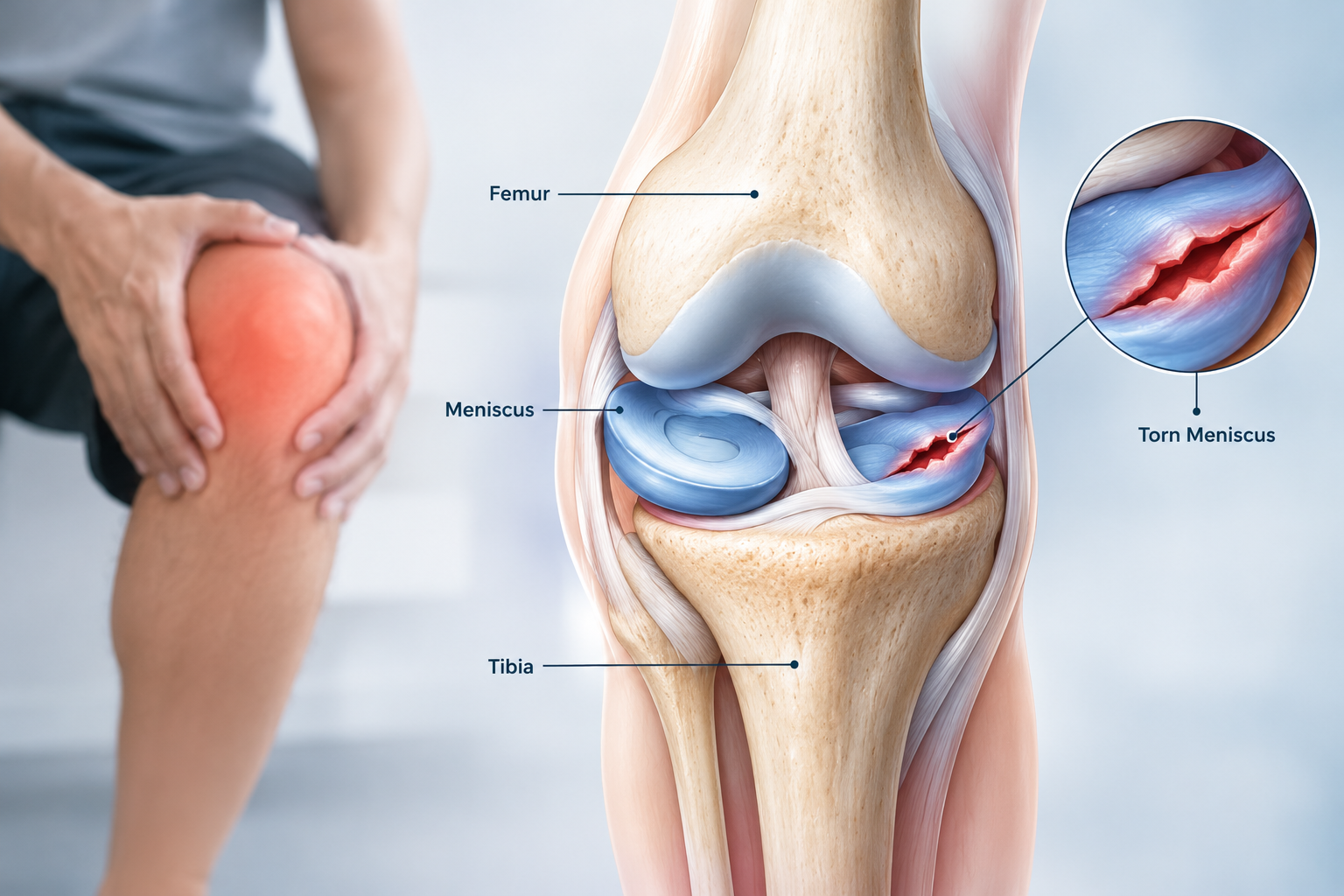
Experiencing knee pain, swelling or catching after a twist? Understand the signs of a meniscus tear, how doctors diagnose it and when physiotherapy or surgery may be recommended.
Read More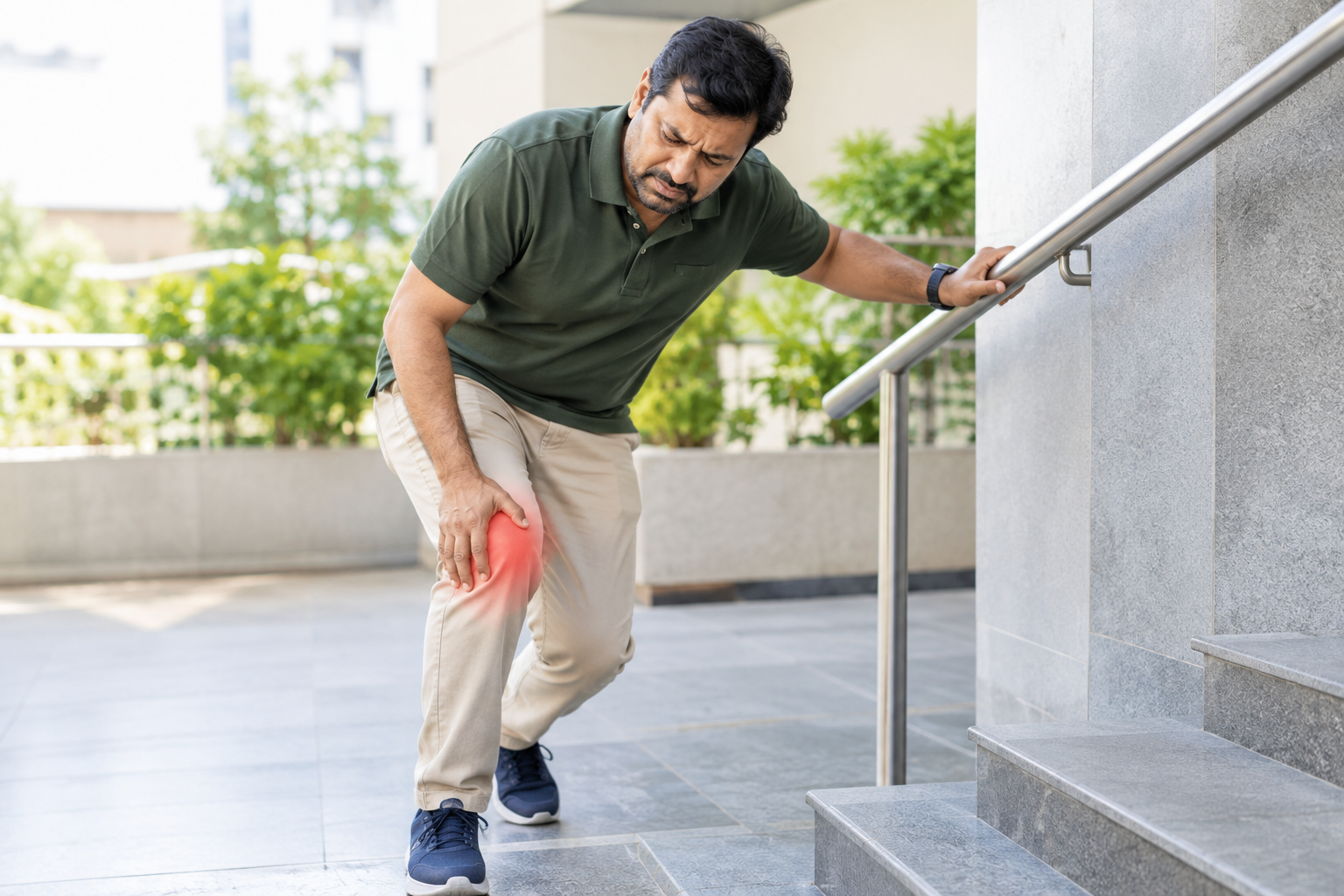
Does your knee suddenly buckle or feel as though it cannot support your weight? Discover possible causes of knee instability, how it is diagnosed and which treatments may help.
Read More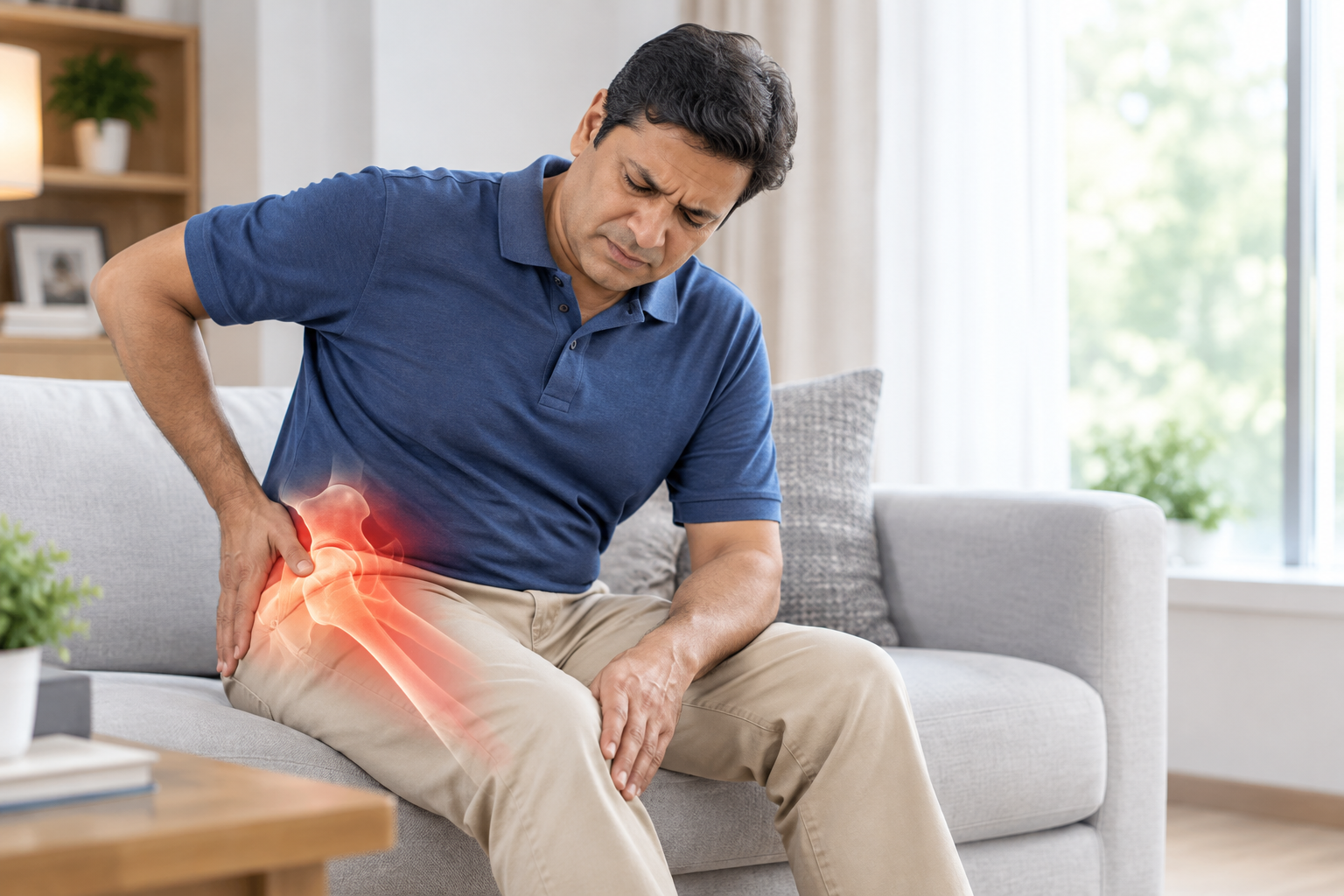
Hip pain spreading to the groin or thigh may be associated with hip osteoarthritis, tendon problems, muscle injuries or referred pain. Learn how the cause is diagnosed and treated.
Read More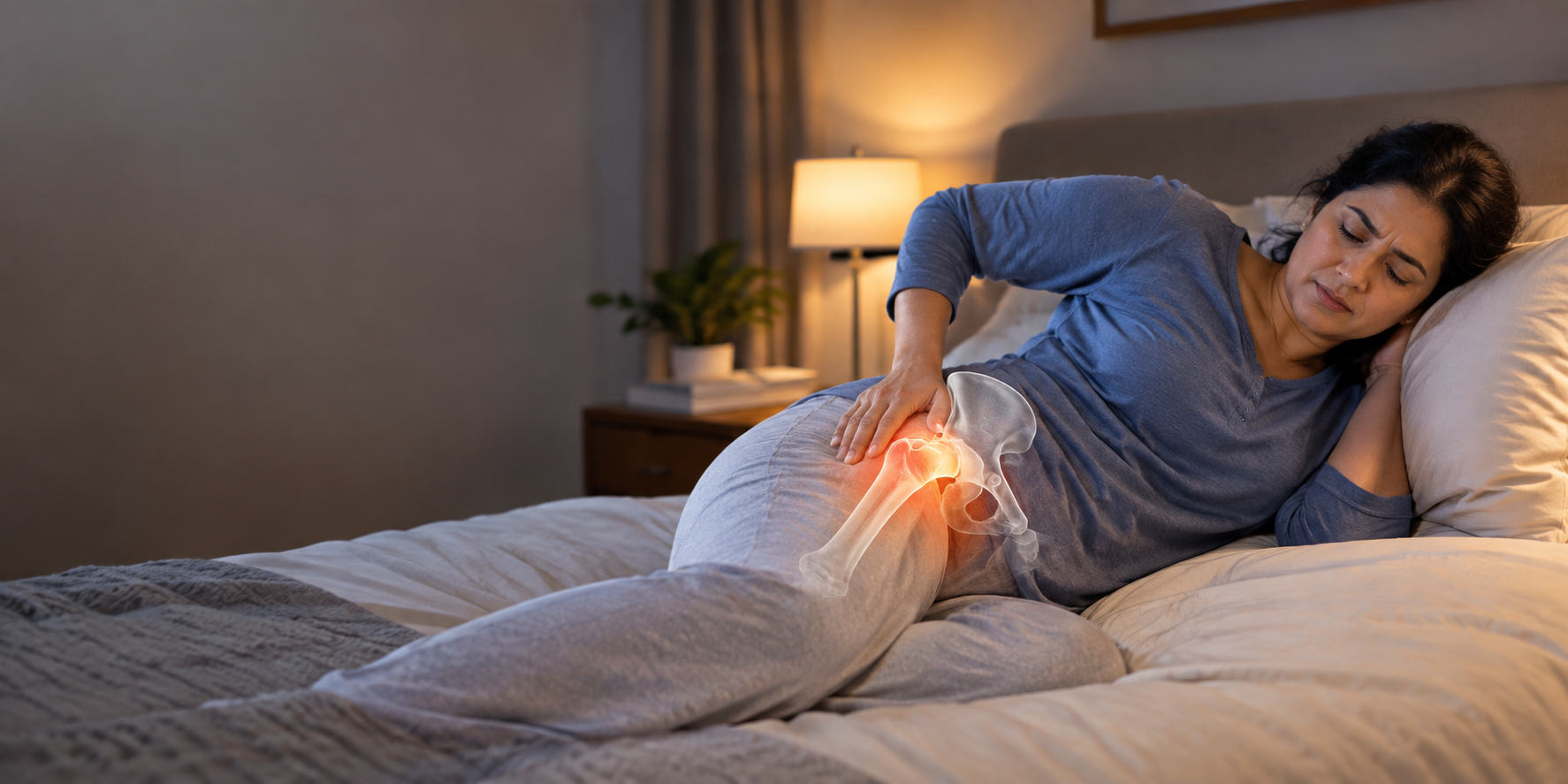
Hip pain at night can make it difficult to find a comfortable sleeping position and may be caused by osteoarthritis, bursitis, tendon problems, previous injury or other conditions. Persistent nighttime pain should be evaluated when it affects sleep or daily activities.
Read More
Knee pain after sitting for a long time can be caused by joint stiffness, osteoarthritis, patellofemoral pain or weakness around the knee and hip. If the pain keeps returning or makes everyday activities difficult, it may be worth getting the knee evaluated.
Read More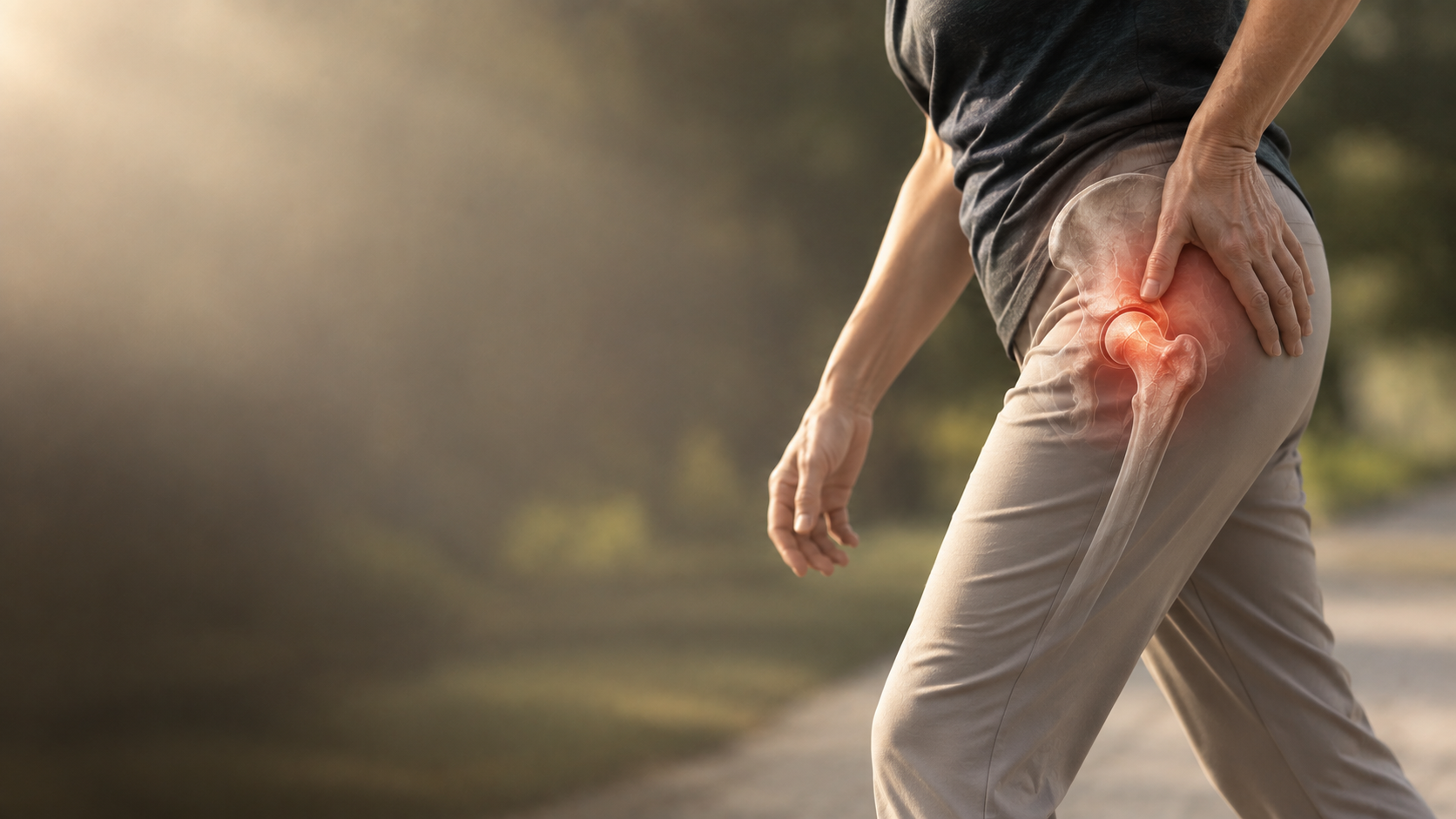
Hip pain while walking can come from the hip joint itself, surrounding muscles and tendons or even the lower back. Arthritis is one possible cause, but the location and pattern of pain can help your orthopaedic doctor narrow down what is happening.
Read More
A swollen knee does not always mean you have injured it. Arthritis, inflammation, gout, bursitis, infection and other conditions can cause fluid to build up in or around the knee. Understanding why the swelling is happening helps determine whether you need simple treatment or further assessment.
Read More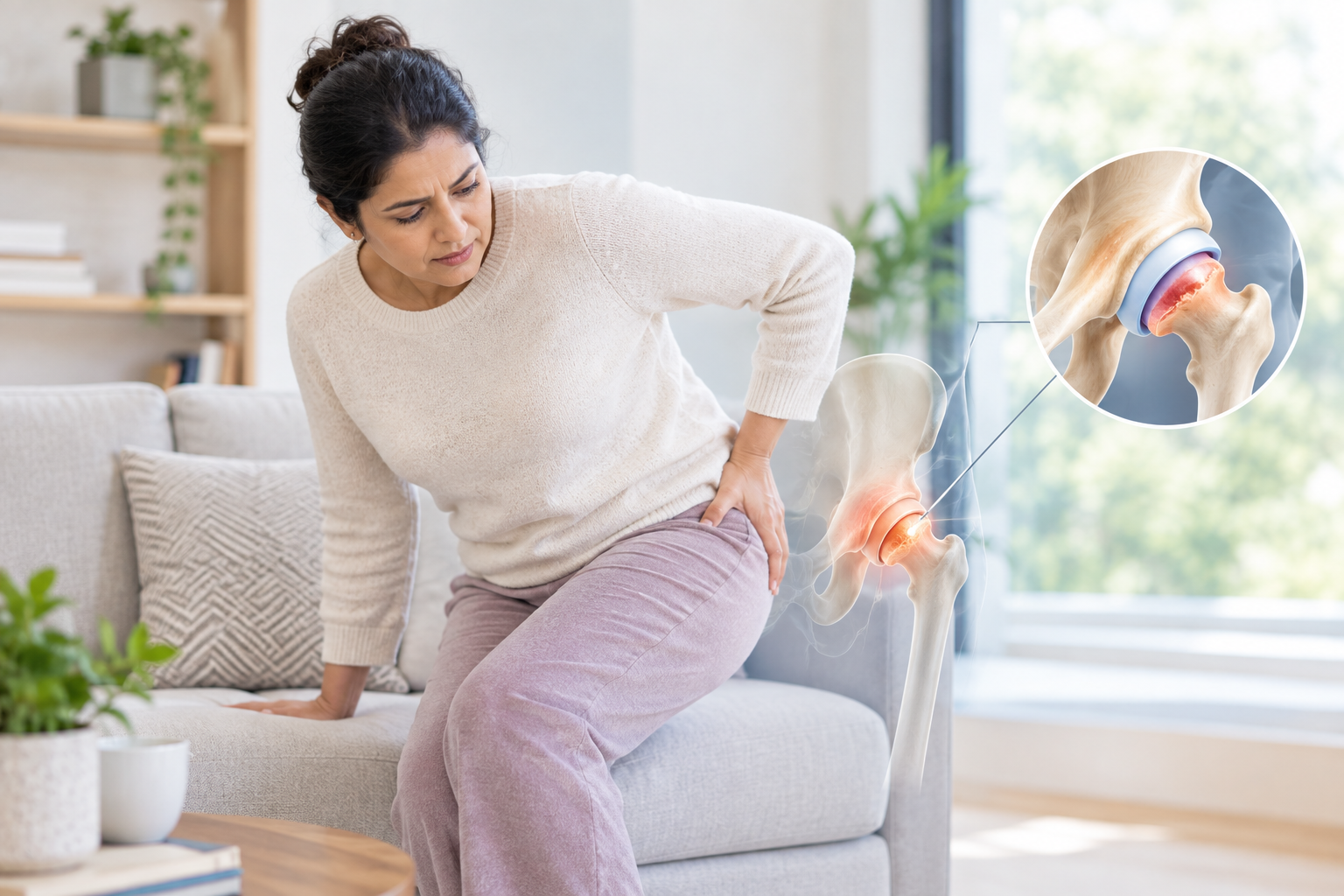
Hip stiffness can make simple movements such as putting on shoes, getting out of a chair or getting into a car increasingly difficult. It may be caused by osteoarthritis, previous injury, reduced mobility or other conditions affecting the hip joint.
Read More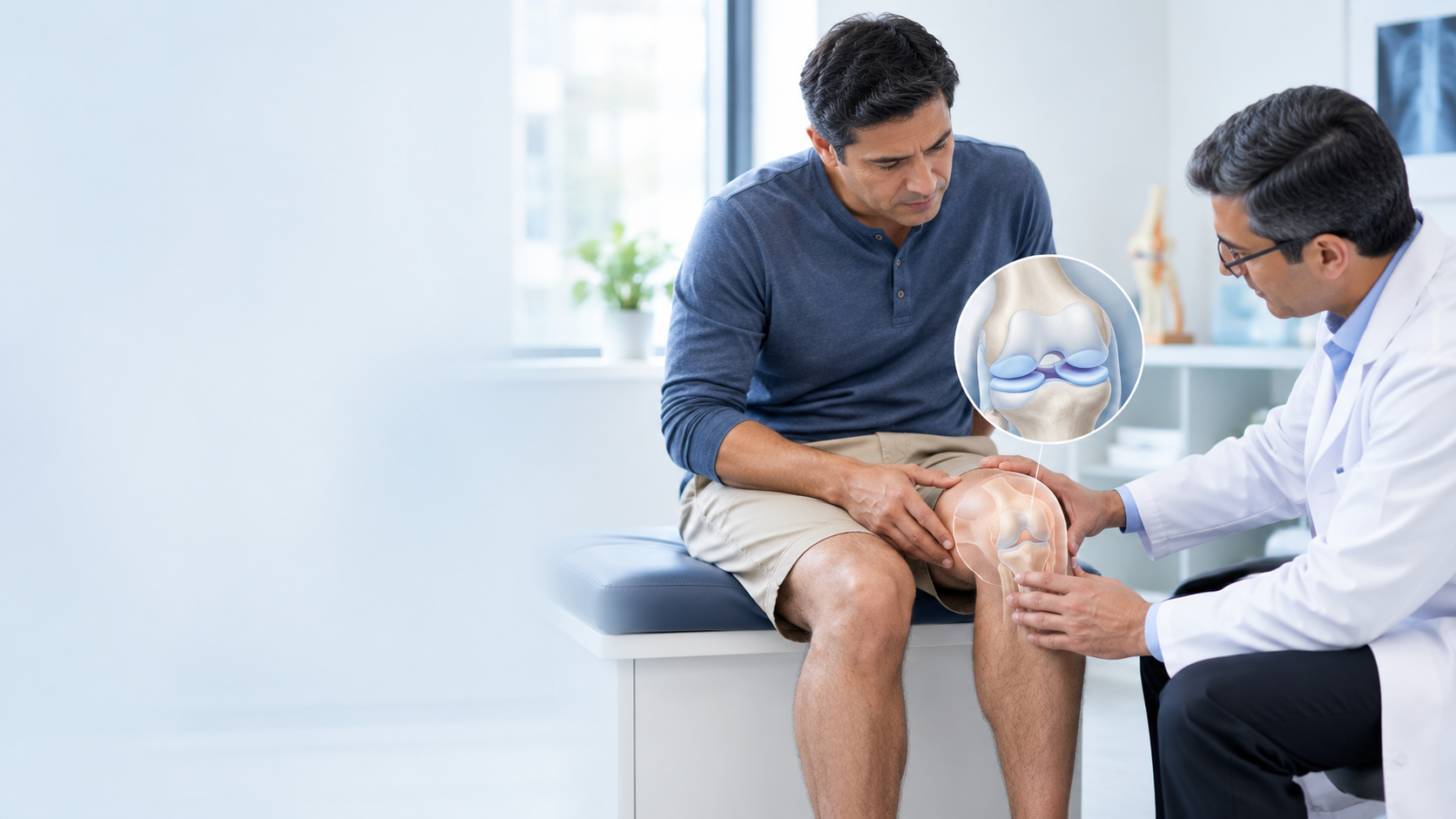
A knee that occasionally clicks or catches is not always a sign of serious damage. However, if your knee gets stuck and you cannot fully bend or straighten it, especially after an injury, it may indicate a problem inside the joint that needs orthopaedic assessment.
Read More
If you have been told that you may need knee replacement surgery, you may wonder whether you need a partial or total knee replacement. The answer depends mainly on where the arthritis is located and how much of the knee is affected.
Read More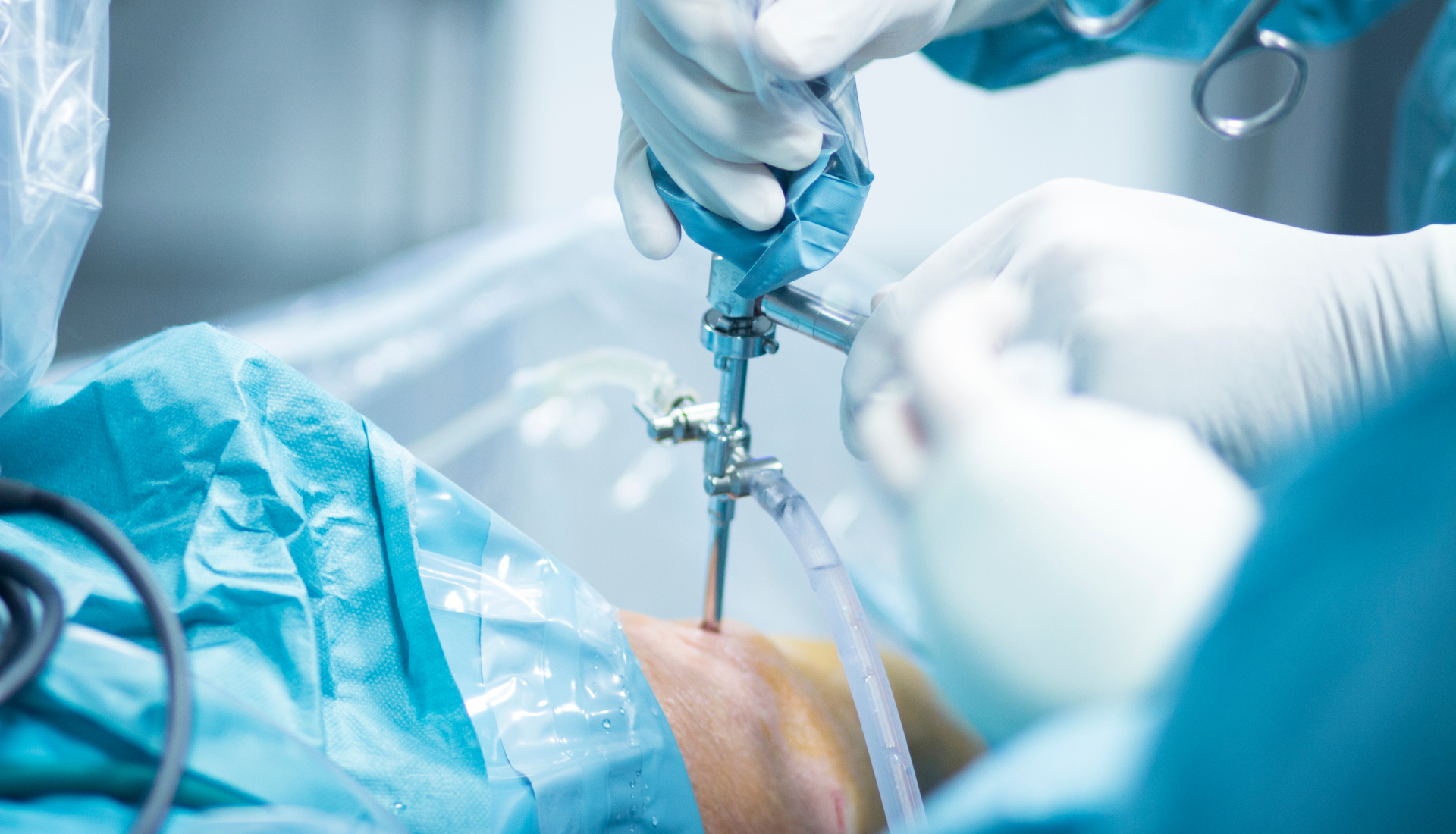
A meniscus tear does not always require surgery. Learn when knee arthroscopy may be recommended, what symptoms matter, how meniscus tears are diagnosed and what recovery can involve.
Read More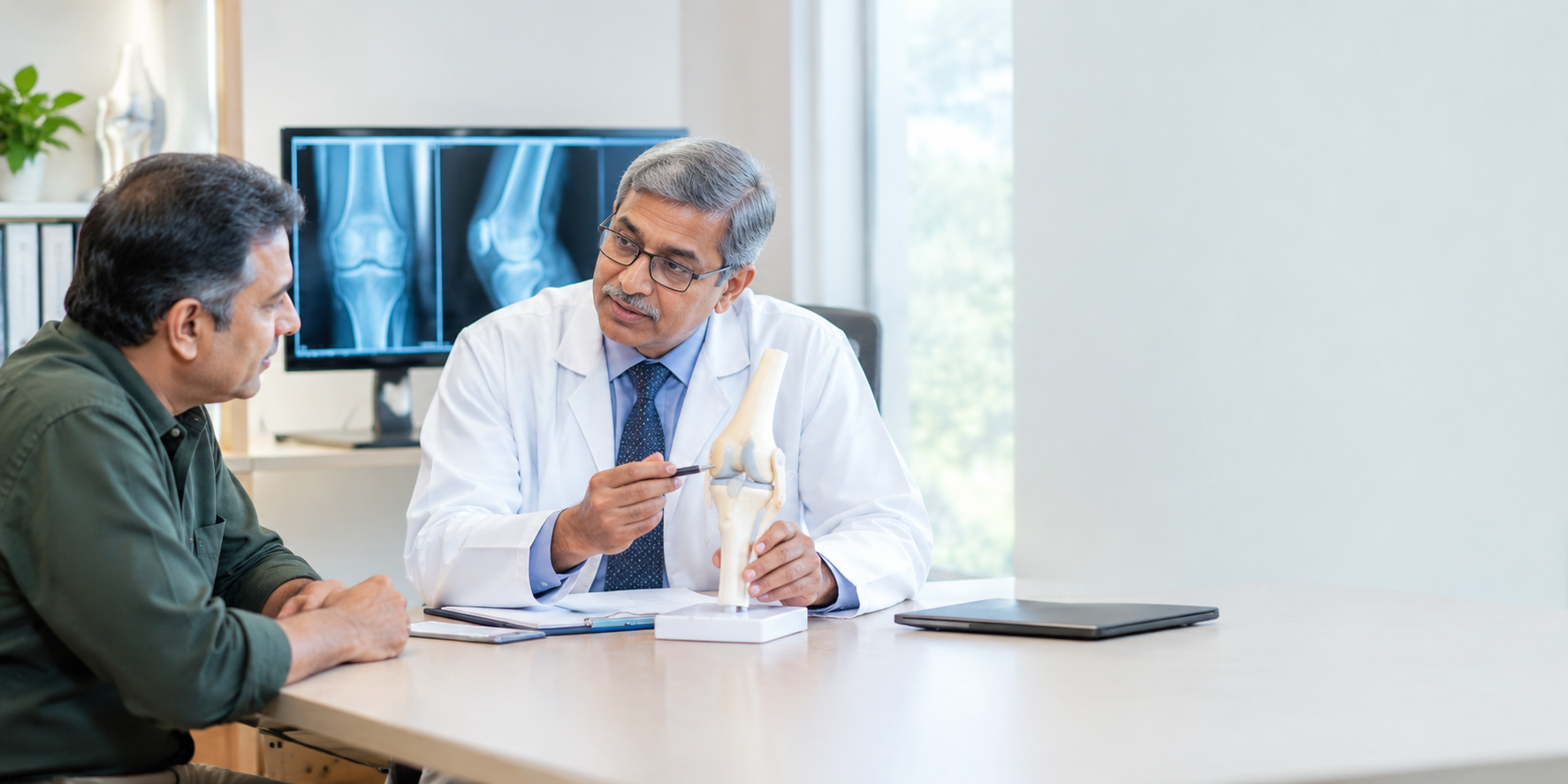
Knee pain and an arthritis diagnosis do not automatically mean you need a knee replacement. The decision depends on your symptoms, mobility, daily limitations, imaging and whether non-surgical treatments are still providing enough relief.
Read More
Hip arthritis can gradually turn walking, climbing stairs and even putting on shoes into difficult tasks. Hip replacement may be considered when pain and stiffness significantly affect daily life and other treatments no longer provide enough relief.
Read More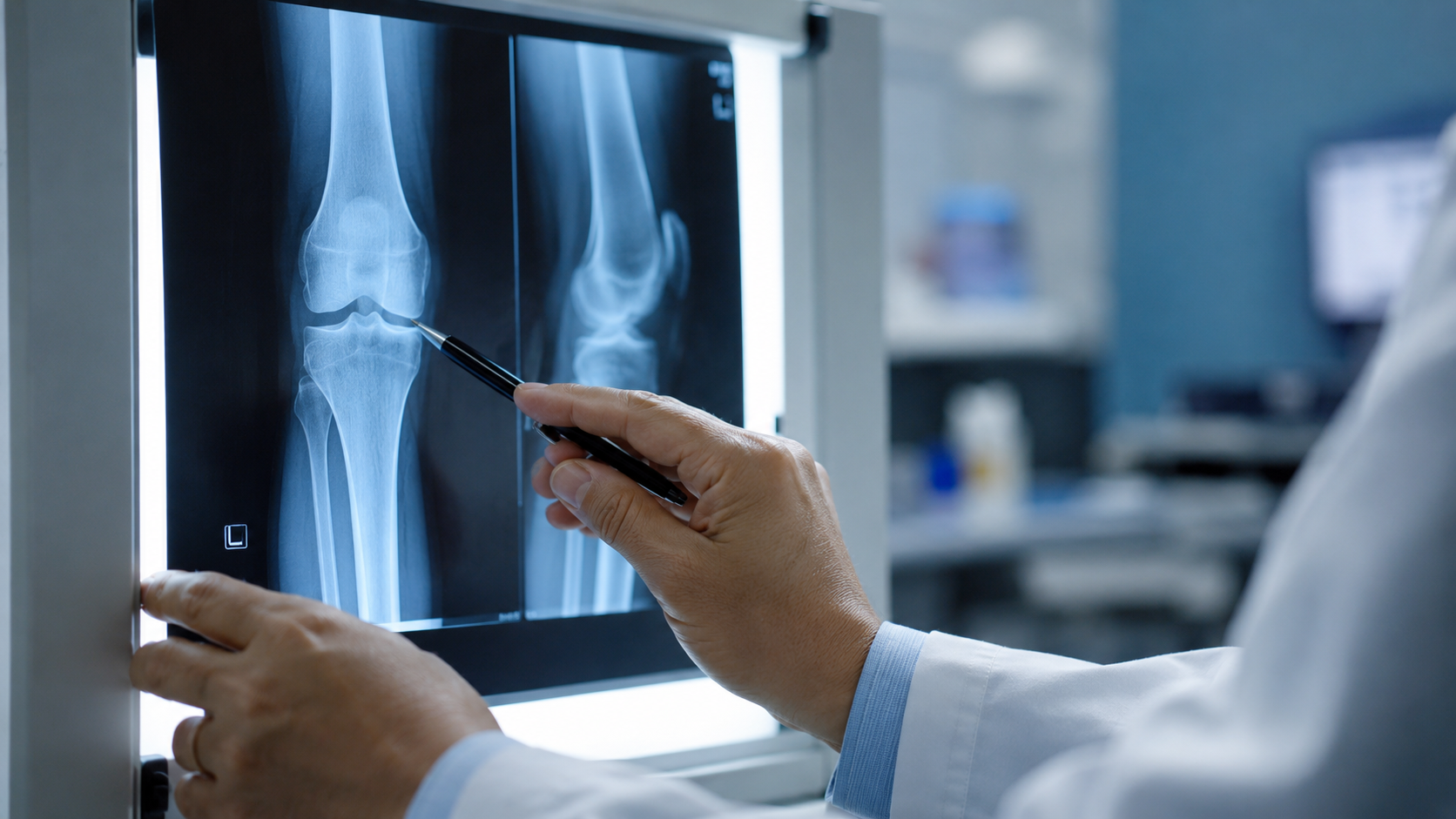
An X-ray report describing "Grade 3 osteoarthritis" often triggers the question, does this mean surgery now? Usually not. The grade on a scan and the decision to operate are related, but they are not the same thing.
Read More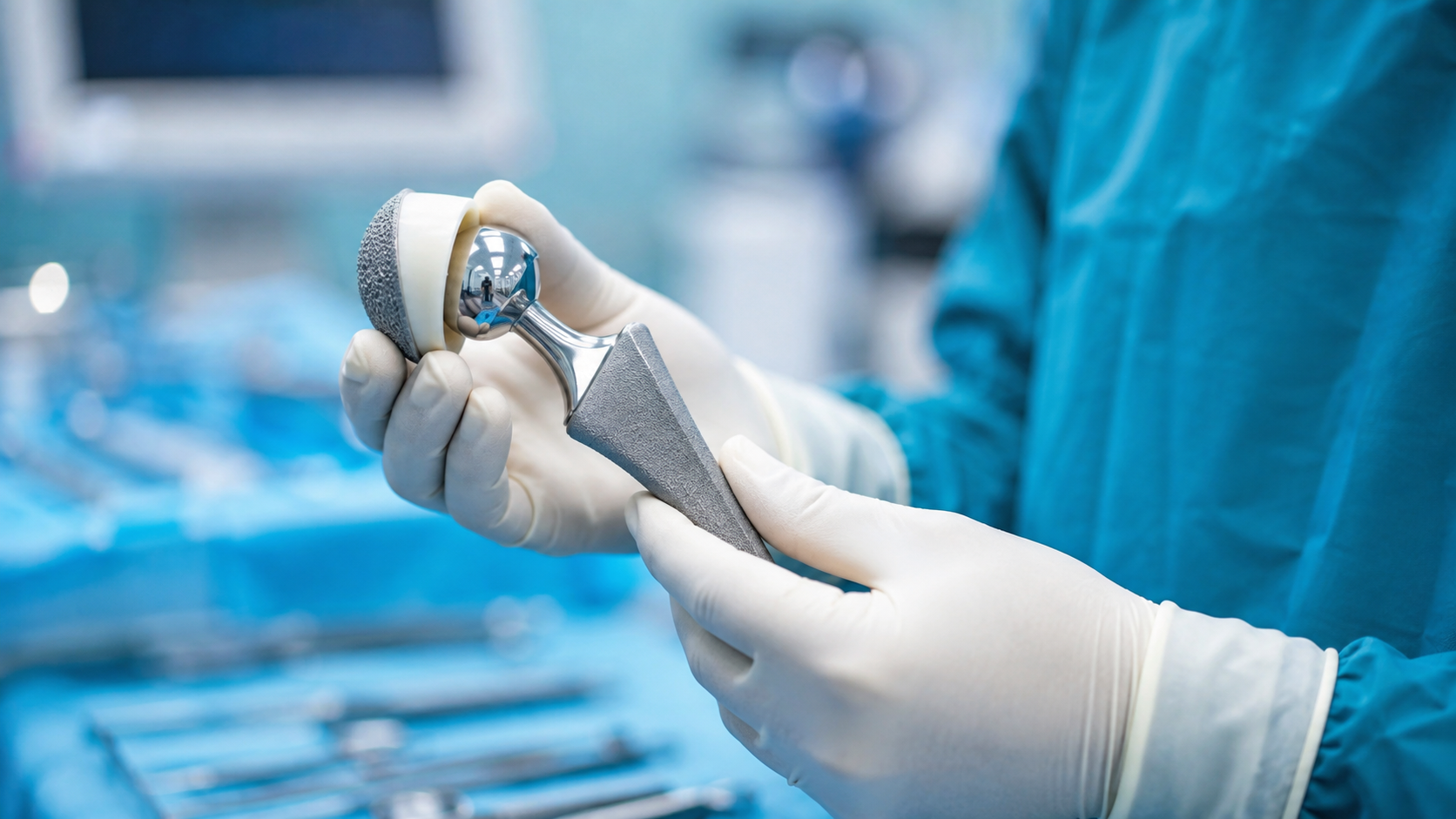
The direct anterior approach gets marketed as the newer, better option, and the posterior approach as the older, more invasive one. The real difference is narrower than that, and more useful to understand than a simple ranking.
Read More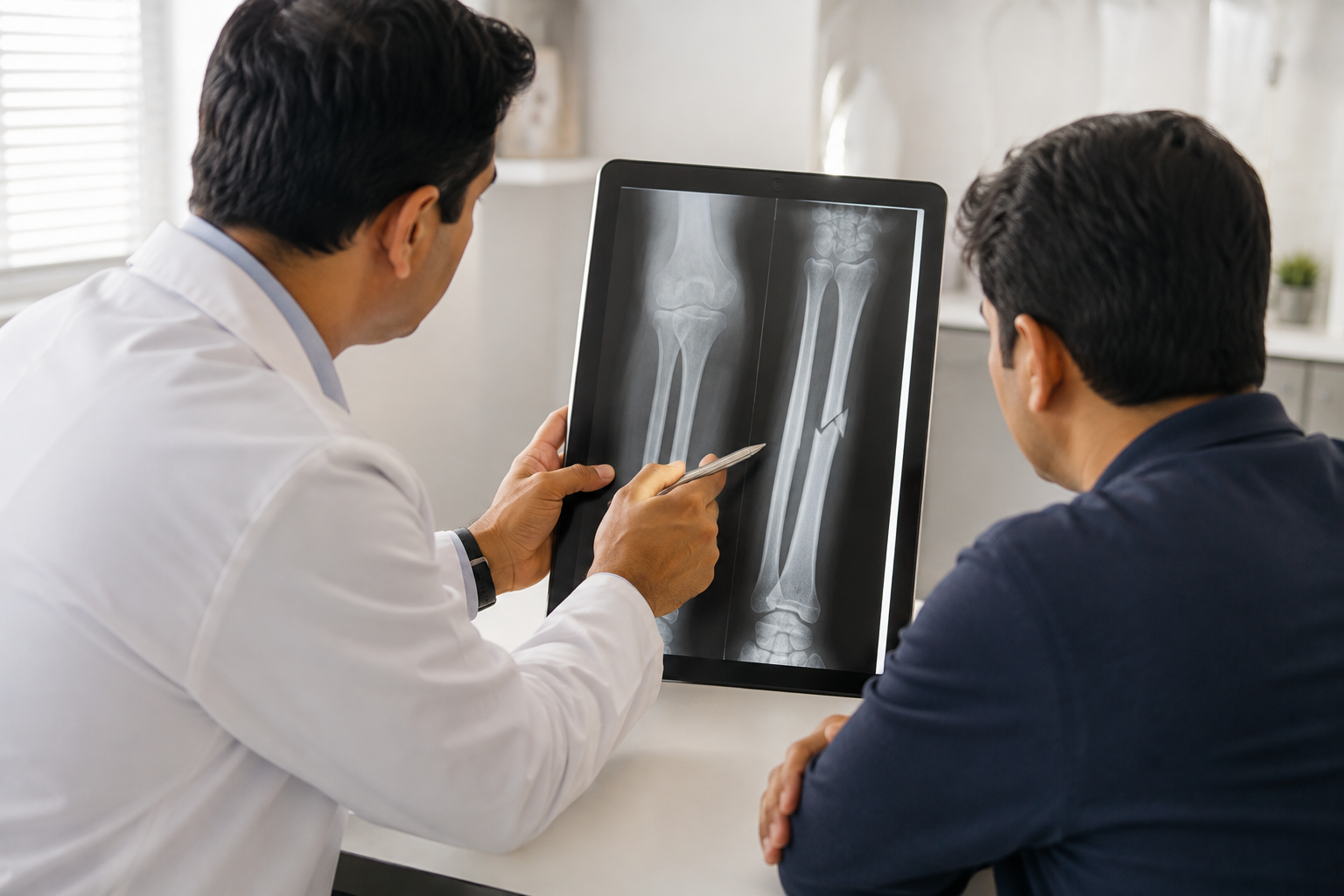
Two fractures that look the same on an X-ray can heal at very different speeds. Here's what actually determines your recovery timeline.
Read More
The single biggest factor in hip fracture recovery isn't the implant it's how quickly surgery happens. Here's why timing matters and what recovery really looks like.
Read More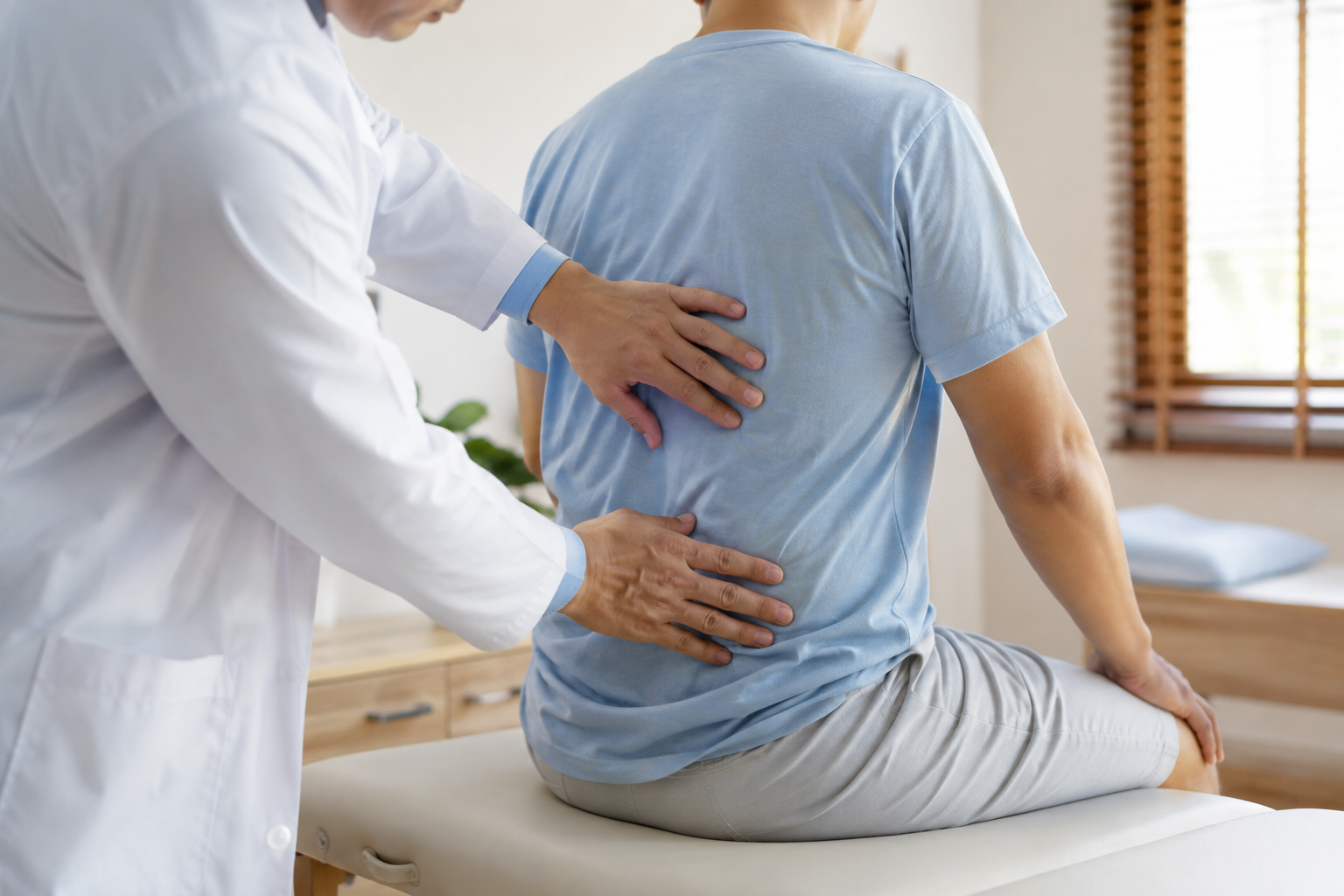
Most back pain gets better without surgery. Here's how to tell the difference between ordinary back pain and the red flags that mean you need a spine specialist now.
Read MorePRP is a non-surgical injection made from your own blood. It may help selected patients with mild knee arthritis, tendon pain or sports injuries, but it is not a cure for every knee problem.
Read More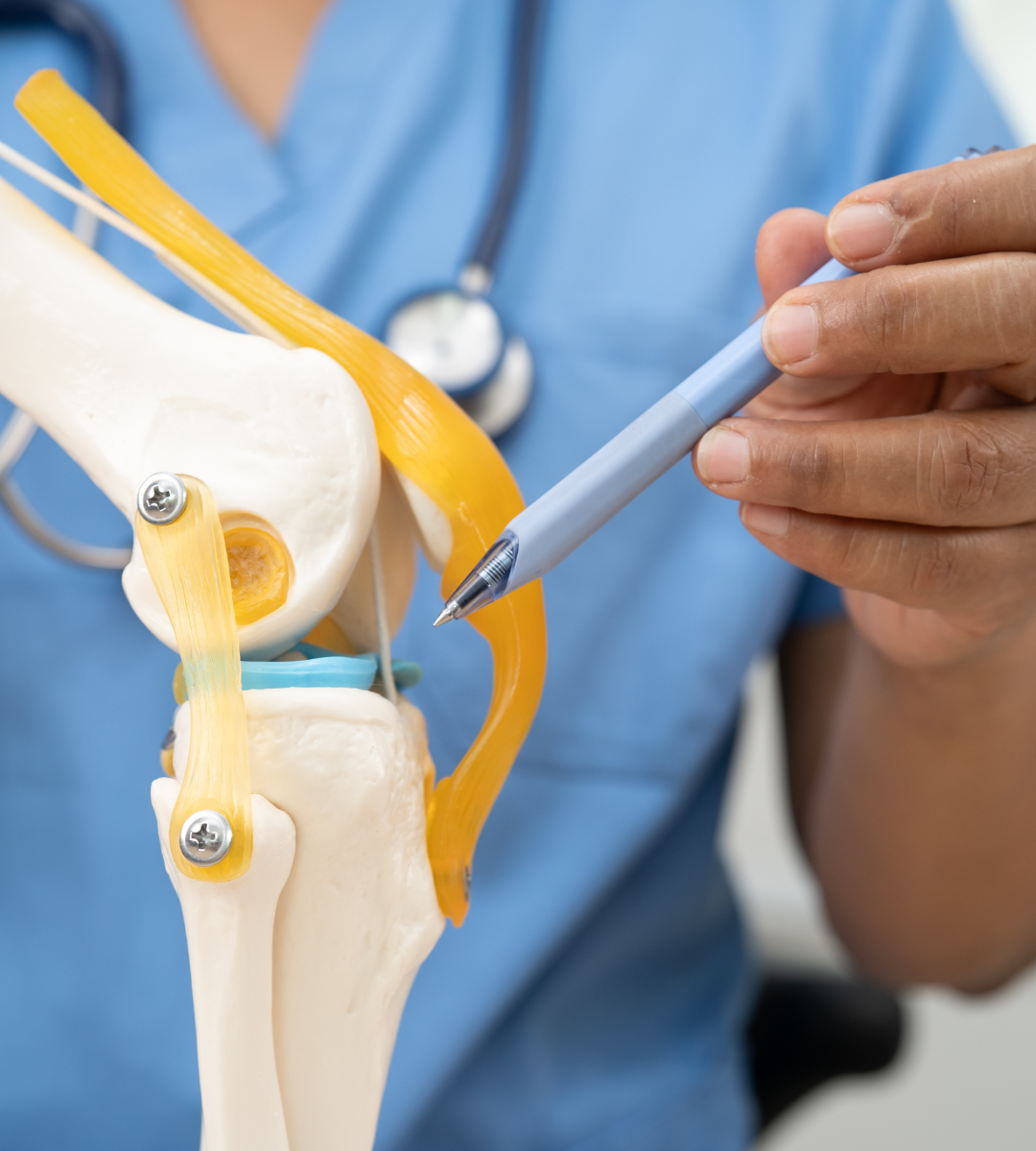
Not every knee pain needs an MRI. X-rays are useful for arthritis and bone problems, while MRI is better for ligament, meniscus and cartilage injuries.
Read More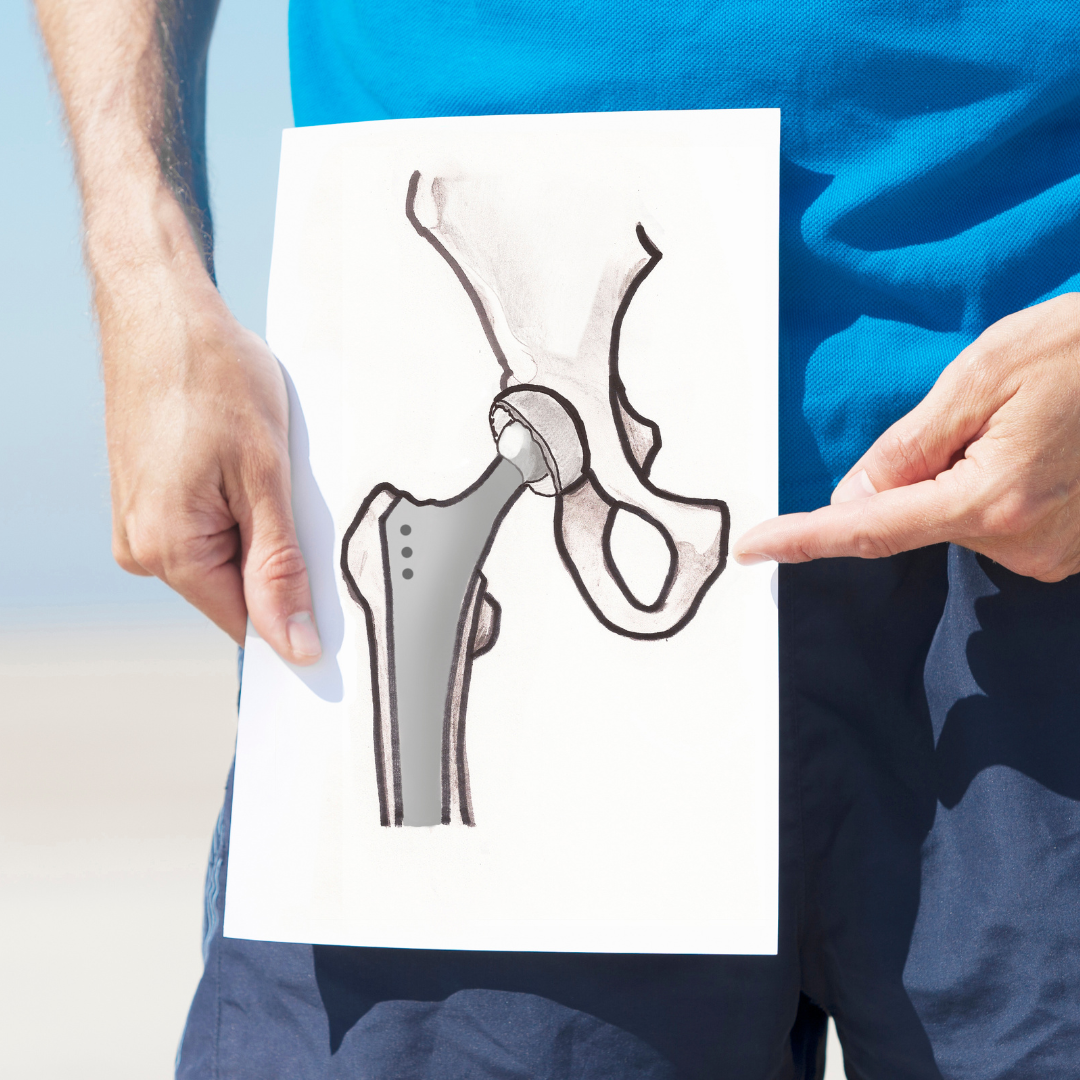
Hip replacement recovery starts with early walking, but full confidence takes time. Most patients improve strongly by 6 to 12 weeks, with strength and comfort continuing to build for months.
Read More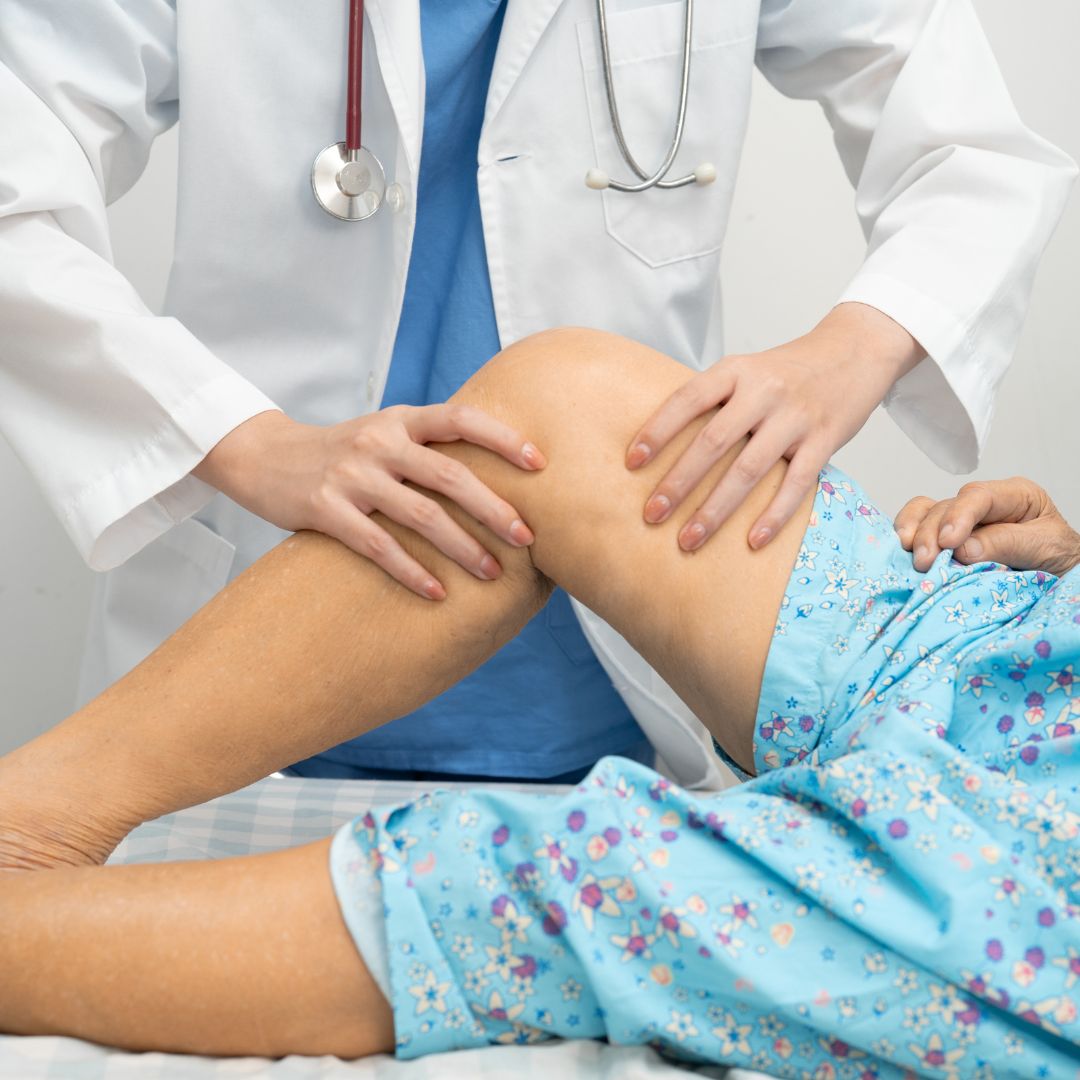
Recovery after knee replacement is a step-by-step process. Most patients start walking early, but strength, bend, confidence and swelling improve gradually over weeks to months.
Read More
Total Hip Replacement succeeds when surgical excellence and structured recovery work together. Here is what an expert surgeon contributes before, during and after surgery.
Read More
The ACL is one of the most commonly injured knee ligaments in sport. A pop, swelling and giving-way feeling after a twist or fall should be checked early.
Read More
Cold months can make arthritic joints feel stiffer and more painful. Simple changes in warmth, movement, hydration and food choices can help you stay mobile through a Delhi winter.
Read MoreSend your details and our team will contact you to understand your concern and guide the next step.